Research Interests
课题组主要围绕着 AI for Medical Sciences 展开,研究领域包括:
1) 算法基础:人工智能因果推断算法开发及其在医疗康养大数据中的应用
设计可解释性因果推断框架(如反事实学习、动态治疗方案优化、因果判定树等),应用于医疗数据中治疗效应量化与衰老相关干预的混杂偏倚校正。
Algorithmic Foundations: AI-Causal Inference Algorithm Development & Medical Big Data Applications Designing interpretable causal inference frameworks (e.g., counterfactual learning, dynamic treatment regimes and causal decision trees.) for medical/healthcare data, with applications in quantifying treatment effects and mitigating confounding biases in aging-related interventions.
2) 数据方法:医疗康养多组学融合和跨模态数据生成的的动态时序分析与虚拟细胞建模
开发多模态数据融合和跨模态组学数据生成算法与时空分析技术,解碼基因组、蛋白组、临床及行为数据在衰老轨迹中的纵向交互机制。
Data Methodology: Dynamic Time-Series Analysis and Virtual Cell Modeling via Multi-Omics Fusion and Cross-model Genarative Omics Developing generative omics, virtual cell modeling, and spatiotemporal analytics to decode longitudinal interactions between genomic, proteomic, clinical, and behavioral data in aging trajectories

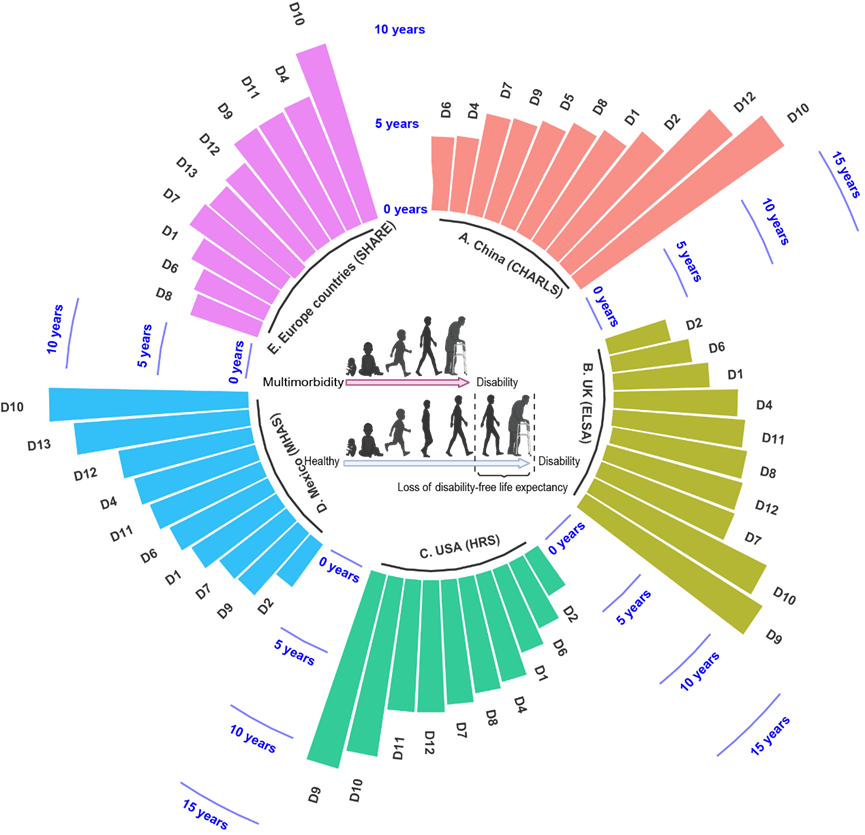
3) 机制探索:身心脑共病与衰老-失能动态演变机制研究
通过队列研究与因果网络分析,揭示抑郁-痴呆-糖尿病等共病模式、生物衰老时钟与功能失能进展的因果路径。
Mechanistic Exploration: Dynamics of Physical-Mental-Brain Comorbidities in Aging and Disability Uncovering causal pathways linking multimorbidity patterns (e.g., depression-dementia-diabetes), biological aging clocks, and functional disability progression through longitudinal cohort studies and causal network analysis.
4) 产品落地:智能康养生态系统:多模态大模型与助老机器人开发
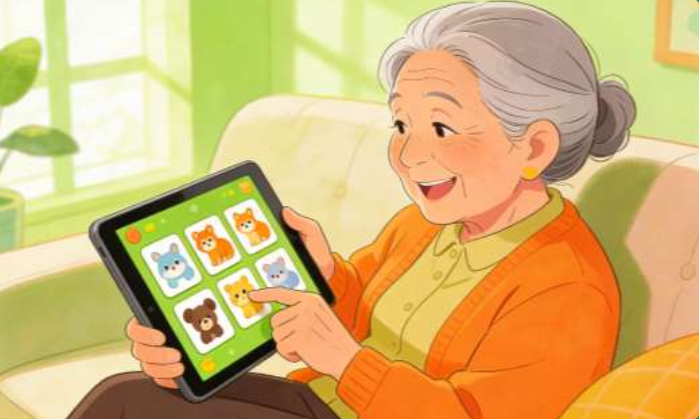
构建多模态智能体(如个性化照护规划大语言模型)及助老机器人,实现情感陪伴、实时生理监测、跌倒预防与认知康复等的智能干预。
Translational Application: Intelligent Healthy Aging Ecosystems with Multi-Modal LLMs and Assistive Robotics Building multimodal AI agents (e.g., multimodal LLMs for personalized care planning) and robotic companions for real-time physiological monitoring, fall prevention, and cognitive rehabilitation in elderly care settings.
Lab Members
The best way to get a sense of what’s currently going on in the lab is to check out the work of individual lab members:
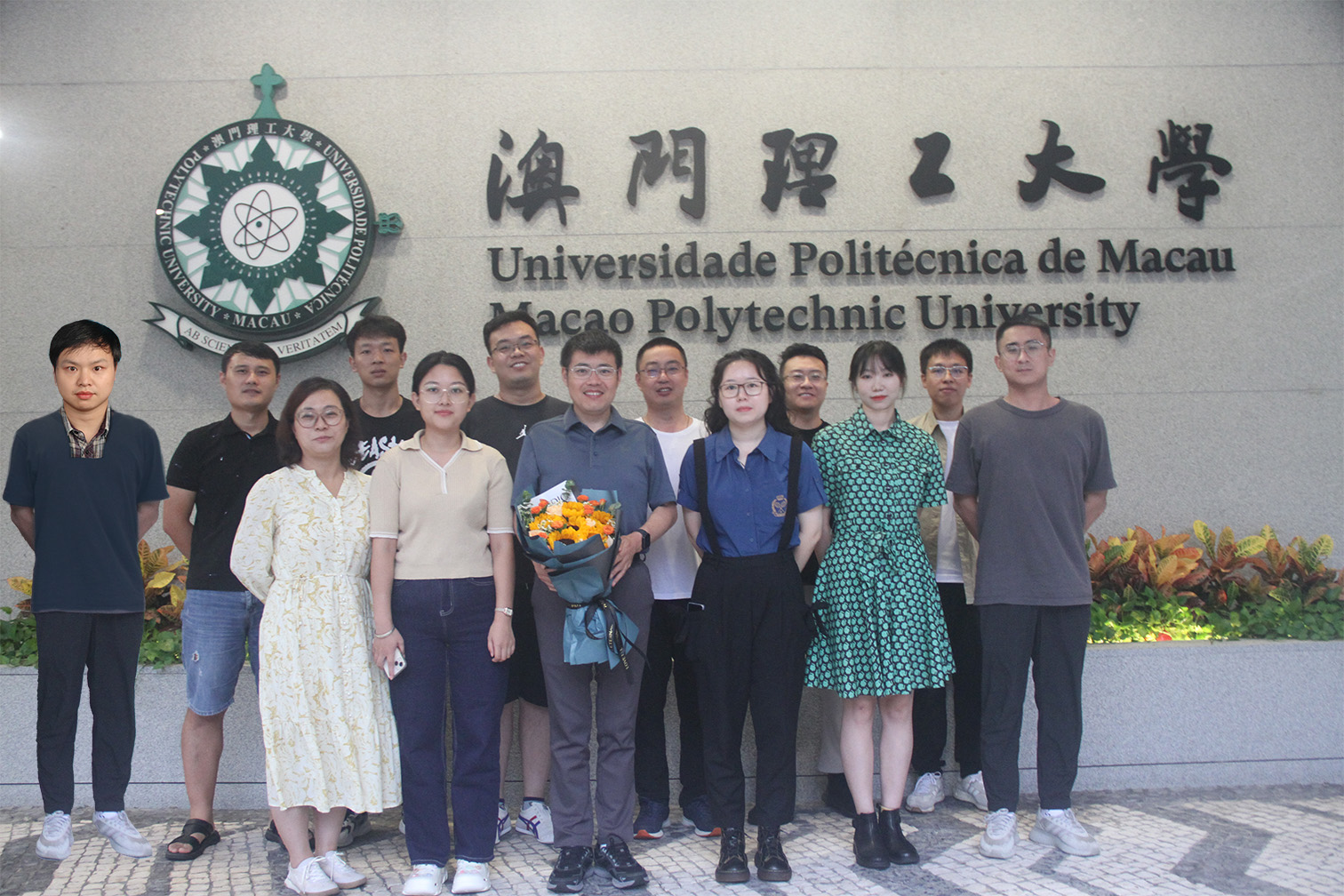
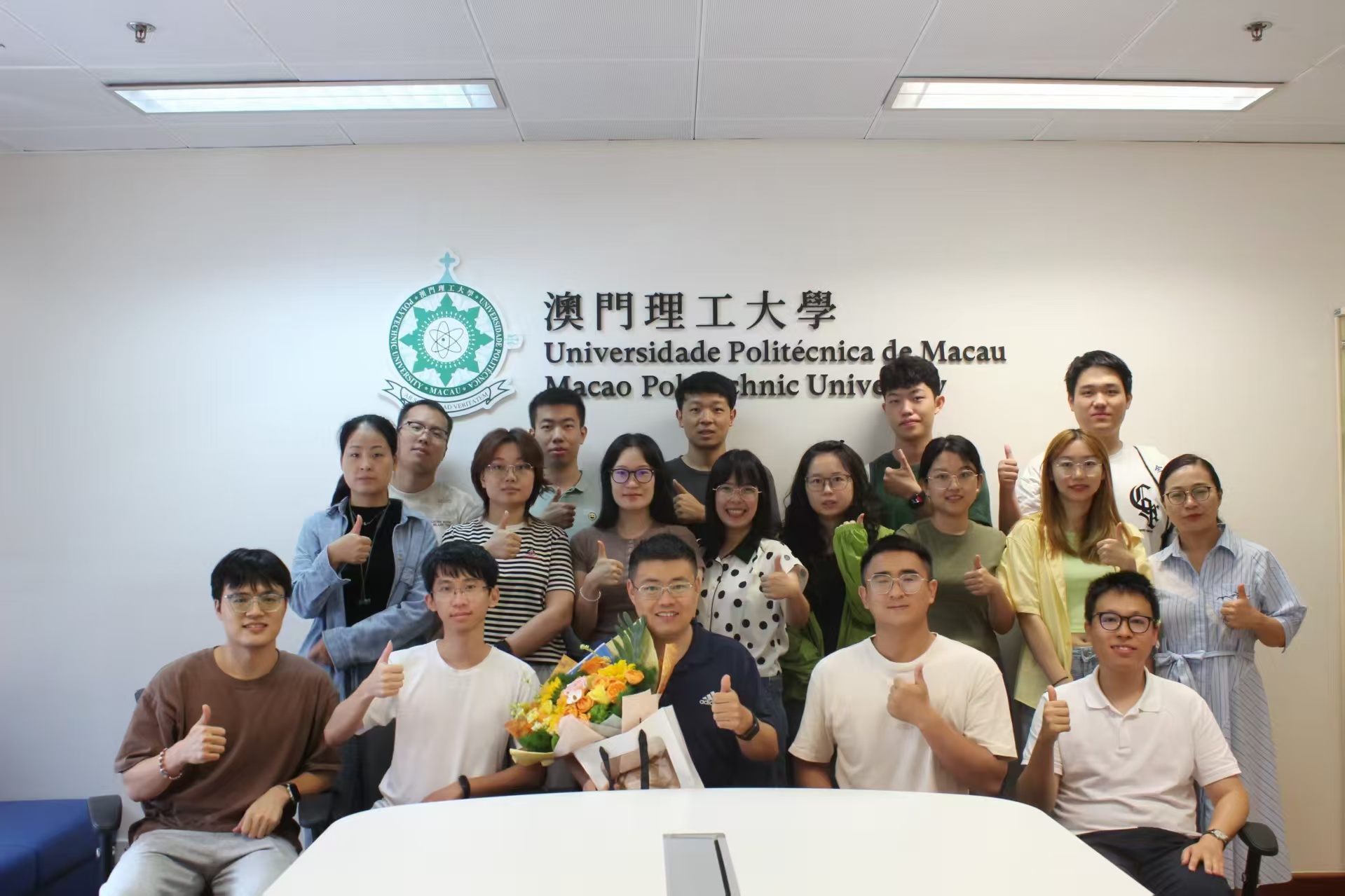
Our research group is remarkably interdisciplinary. Our interests span statistics, physics, biology, applied mathematics, molecular biology, metascience, cognitive science, causal inference, and many other disciplines. Visit our people page to see more information on each person who works in the lab (publications, contact information, photos).
Lab Culture
Our lab is a wonderful spot for anyone who is super driven by curiosity and likes to learn/move through ideas quickly. Instead of one big “lab project”, everyone is generally the chief of their own individual projects.
Since our lab includes several fields, we don’t have big lab meetings with everyone. Instead, we engage in a number of practices to facilitate good communication in the lab.
Every week, more or less, we chat about current lab practices and sometimes vote on new things.
Address: Rua de Luís Gonzaga Gomes, Macao, SR